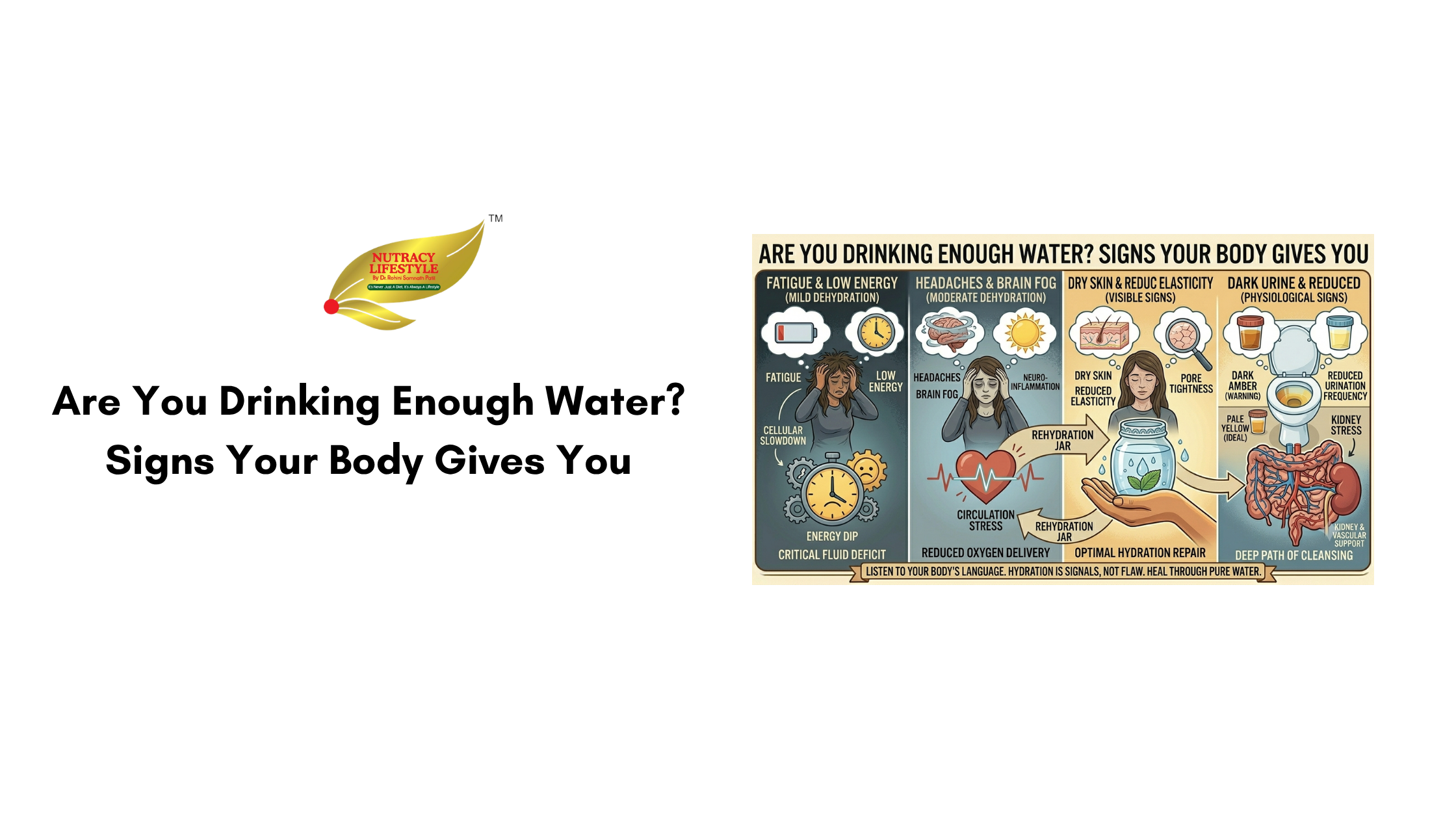
Water is one of the most essential nutrients for the human body, yet many people do not drink enough of it. Even mild dehydration can affect energy levels, concentration, digestion, and overall health. Fortunately, your body often gives warning signs when it needs more fluids.
Why is water important?
About 60% of the human body is made up of water. It helps:
Regulate body temperature, Transport nutrients and oxygen, Support digestion, remove waste products, lubricate joints, Maintain healthy skin and organs.
When your body loses more water than it takes in, dehydration can occur.
Signs that your body may need more water
1. Persistent thirst
Thirst is the most obvious sign that your body needs fluids. However, waiting until you feel extremely thirsty may mean you are already mildly dehydrated.
2. Dark yellow urine
Urine color can provide valuable clues about hydration. Pale yellow urine usually indicates adequate hydration, while dark yellow or amber-colored urine may suggest you need more water.
3. Frequent headaches
Dehydration can sometimes trigger headaches because reduced fluid levels may affect blood flow and brain function.
4. Fatigue and low energy
Feeling tired despite getting enough sleep could be linked to inadequate fluid intake. Even mild dehydration can reduce physical and mental performance.
5. Dry mouth and bad breath
A lack of saliva caused by dehydration can lead to dry mouth and unpleasant breath.
6. Dry skin
Although many factors affect skin health, dehydration may contribute to dry and less elastic skin.
7. Constipation
Water helps keep stools soft and supports smooth digestion. Insufficient fluid intake can increase the risk of constipation.
8. Dizziness or difficulty concentrating
The brain depends on proper hydration. Low fluid levels may lead to dizziness, poor concentration, and reduced alertness.
How much water do you need?
There is no single amount suitable for everyone. Water requirements depend on age, climate, activity level, and overall health. Most adults should aim to drink fluids regularly throughout the day and increase intake during hot weather or physical activity.
Simple ways to stay hydrated
Carry a reusable water bottle, drink water before and after meals, include water-rich foods (like watermelon, cucumber, oranges, and tomatoes), set reminders if you often forget to drink water, and replace sugary drinks with plain water whenever possible.
The Takeaway
Your body constantly communicates its needs. Paying attention to signs such as thirst, dark urine, fatigue, and headaches can help you recognize when you need more fluids. Staying properly hydrated is a simple habit that supports overall health and well-being.
Remember, water is not just a drink; it is a necessity for life.